Expanded capabilities
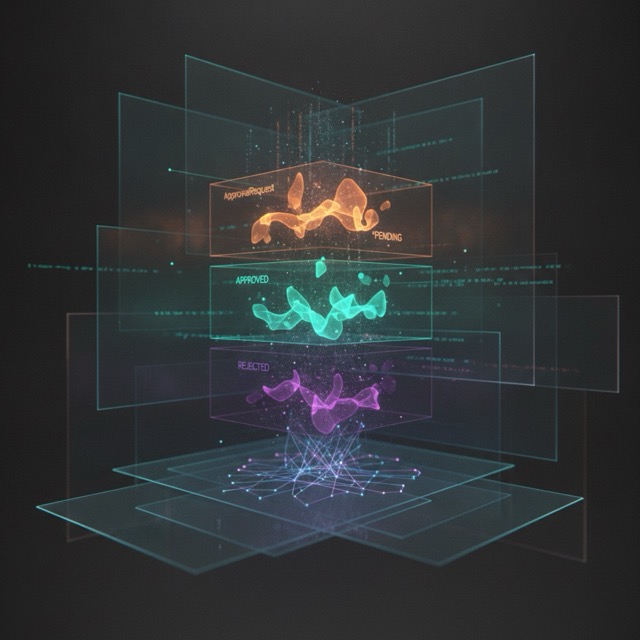
- Evaluate ALLOW / DENY / REQUIRE_APPROVAL with traceable rule ids
- Consume structured PolicyEngineInput (role, sensitivity, risk, interaction)
- Drive Golden Path branching without LLM improvisation
- Keep decisions tenant-scoped and auditable
- Never auto-approve; REQUIRE_APPROVAL always stops for humans
How they learn & improve
POLICY improves when operators change published rules and when FEEDBACK flags wrong ceilings — the engine itself does not rewrite rules overnight.
- Evaluate the current published policy set against the interaction.
- Emit a deterministic PolicyDecision that ATLAS/WORKFLOW can follow.
- Absorb human rule edits and approved learning about false positives on the next evaluation.
How they work together
POLICY sits between ATLAS classification and execution: it gates WORKFLOW, APPROVAL QUEUE, and outbound stages with the same deterministic contract.
- ATLASReceives classified work and returns the next governed branch.
- Approval queueCreates human decision work when REQUIRE_APPROVAL fires.
- WORKFLOW (persisted execution)Allows or blocks stage progression based on decision outcomes.
- AUDITLeaves rule-id trails for every meaningful decision.
Practical benefits
- Sensitive sends stop coldMessaging drafts hit REQUIRE_APPROVAL — nothing leaves the tenant until a human decides.
- Explainable blocksOperators see which rule denied a path instead of a mysterious ‘AI refused’.
- Ceiling changes stay deliberateRaising autonomy bands is an operator/admin act with audit — not an agent self-upgrade.
Learning and improvement stay human-visible: candidates are RECORD_ONLY until an operator reviews and applies them. Sensitive sends, publishes, and approvals never run silently.